
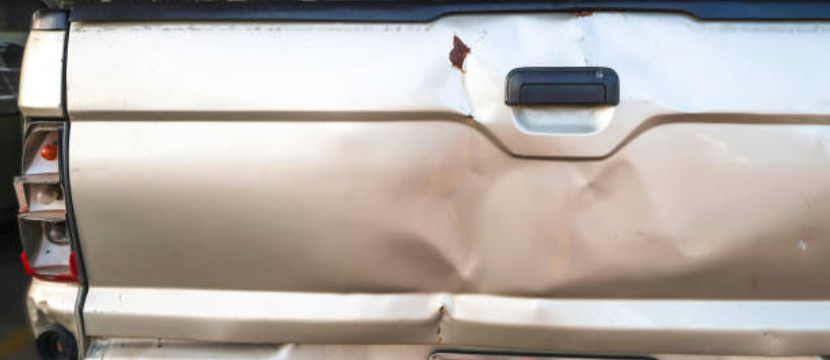
The sudden, violent force of a commercial truck hitting your vehicle from behind is a terrifying experience. On Mississippi’s vital highways, like I-55, I-20, and US-49, thousands of 80,000-pound semi-trucks share the road with us every day. When one of these massive vehicles causes a rear-end collision, the consequences are frequently devastating, leaving victims with severe injuries and immense uncertainty. The moments following a crash are disorienting and stressful. Knowing what steps to take can protect your health, your safety, and your legal rights.
If you have been involved in a rear-end collision with a commercial truck in Mississippi, this guide provides the information you need to navigate the challenging road ahead.
Prioritize Safety and Seek Immediate Medical Attention
Your first and most important priority after any collision is the well-being of everyone involved. The immense force of a commercial truck can cause injuries that are not immediately apparent.
- Check for Injuries: Assess yourself and your passengers for injuries. If anyone is seriously hurt, call 911 immediately. Do not attempt to move someone who may have a head, neck, or back injury unless they are in immediate danger, such as from a fire.
- Move to a Safe Location: If your vehicle is still operable and it is safe to do so, move it to the shoulder or a nearby safe area off the main road to prevent further collisions. Turn on your hazard lights.
- See a doctor: Even if you feel fine, it is essential to get a medical evaluation as soon as possible after the crash. Some serious injuries, such as internal bleeding, traumatic brain injuries (TBI), or soft tissue damage like whiplash, may not present symptoms for hours or even days. Seeking prompt medical care not only ensures your health but also creates an official record linking your injuries to the accident, which is a key piece of evidence for any future claim.
Report the Accident and Document the Scene
Official documentation and evidence from the scene are foundational to building a strong claim.
- Call Law Enforcement: Always report a commercial truck accident to the police. The Mississippi Highway Patrol or local police will respond to the scene to create an official accident report. This report will contain important details about the collision, witness information, and the officer’s initial observations about how the crash occurred.
- Gather Information: Exchange information with the truck driver. Be sure to obtain their name, contact information, driver’s license number, the name of their trucking company, their insurance policy information, and the truck’s license plate number.
- Take Photographs and Videos: If you are physically able, use your phone to document the scene thoroughly. Take pictures and videos from multiple angles of the damage to all vehicles, skid marks on the road, road conditions, traffic signals, and any visible injuries you have sustained.
- Identify Witnesses: If there were any witnesses to the accident, get their names and contact information. Independent witness statements can be very persuasive in establishing how the collision happened.
Fault in a Mississippi Rear-End Truck Accident
In most rear-end collisions, there is a presumption that the rear driver is at fault. This is often based on traffic laws requiring drivers to maintain a safe following distance. Mississippi law, specifically, states that a driver must not follow another vehicle “more closely than is reasonable and prudent.” For commercial trucks, the rules are even stricter, often requiring a following distance of at least 300 feet.
However, trucking companies and their insurers will work aggressively to shift blame and protect their interests. They may argue that you or another party contributed to the crash. Mississippi follows a “pure comparative negligence” rule. This means that even if you are found partially at fault for the accident, you can still recover damages. Your total compensation will simply be reduced by your percentage of faults. For example, if you are awarded $100,000 in damages but found to be 10% at fault, your recovery would be reduced to $90,000. Because of this rule, it is important to avoid admitting any fault at the scene of the accident.
Common Causes of Rear-End Truck Collisions
Establishing the cause of the accident is key to proving liability. Many rear-end truck crashes are not simple “accidents” but are the result of negligence on the part of the driver or the trucking company.
- Driver Fatigue: Commercial truck drivers work long, demanding hours, often leading to drowsiness and impaired judgment. Federal Hours of Service (HOS) regulations exist to prevent this, but violations are common.
- Distracted Driving: Using a cell phone, adjusting a GPS, or eating while driving can take a trucker’s focus off the road long enough to cause a catastrophic collision.
- Speeding and Tailgating: The pressure to meet tight delivery deadlines can lead drivers to speed or follow other vehicles too closely, reducing their ability to stop in time.
- Improper Maintenance: A trucking company is responsible for keeping its fleet in safe working order. Brake failure, worn-out tires, or other mechanical issues can lead directly to a crash.
- Inadequate Training: Trucking companies may be liable if they fail to properly train their drivers in safety procedures, defensive driving techniques, or the specific handling characteristics of their vehicles.
The Unique Dangers and Injuries of Rear-End Truck Crashes
The sheer size and weight disparity between a large commercial truck and a passenger car means that rear-end collisions often result in severe and life-altering injuries for the occupants of the smaller vehicle.
- Height Mismatch and Underride Accidents: Trucks sit much higher off the ground than cars. In a rear-end collision, a passenger vehicle can slide underneath the truck’s trailer, an event known as an underride accident. These are often fatal.
- Catastrophic Injuries: The force of impact can lead to traumatic brain injuries, spinal cord damage resulting in paralysis, herniated discs, broken bones, and severe internal organ damage.
- Whiplash and Neck Injuries: While common in many rear-end crashes, whiplash can be particularly severe when caused by a truck, potentially leading to chronic pain and long-term disability.
Navigating the Complex Claims Process
Dealing with a commercial trucking company and its insurance carrier is far different from a typical car accident claim. Commercial trucks are required by federal law to carry insurance policies with much higher liability limits, often from $750,000 to over $1,000,000. With so much money at stake, these companies employ teams of adjusters and lawyers whose primary goal is to minimize the amount they pay out.
- Be Cautious in Your Communications: It is advisable to be very careful what you say to the trucking company’s insurance adjuster. Avoid giving a recorded statement or signing any documents without first seeking legal advice. Anything you say can be used to devalue or deny your claim.
- Multiple Liable Parties: In a truck accident case, liability may extend beyond the driver. The trucking company itself can be held responsible for negligent hiring, retention, or training practices. A maintenance company could be liable for faulty repairs, or a manufacturer could be responsible for a defective truck part. Identifying all potentially liable parties is essential to securing full compensation.
- Preserving Critical Evidence: Key evidence in a truck accident case is often in the possession of the trucking company. This includes the driver’s logbooks (or data from the Electronic Logging Device – ELD), vehicle maintenance records, and information from the truck’s “black box” data recorder. A knowledgeable attorney can take swift action to send a preservation letter, legally requiring the company to save this evidence before it can be lost or destroyed.
Recoverable Damages in a Mississippi Truck Accident Claim
Victims of a rear-end truck accident may be entitled to recover compensation for a wide range of losses, which are categorized as economic and non-economic damages.
Economic Damages: This includes compensation for tangible financial losses such as:
- Current and future medical expenses
- Lost wages and loss of future earning capacity
- Property damage to your vehicle
- Rehabilitation and physical therapy costs
Non-Economic Damages: This compensates for the non-financial, personal losses you have suffered, including:
- Pain and suffering
- Emotional distress and mental anguish
- Loss of enjoyment of life
- Permanent disfigurement or disability
In cases where the trucking companies or driver’s conduct was particularly reckless or egregious, it may also be possible to pursue punitive damages, which are intended to punish the wrongdoer and deter similar behavior in the future.
Why Legal Guidance is So Important
The path to financial and physical recovery after a rear-end truck accident is complex and fraught with challenges. The trucking industry and its insurers have vast resources and will use them to protect their bottom line. Having a skilled legal advocate on your side levels the playing field. An experienced truck accident attorney understands the federal and state regulations that govern the trucking industry, knows what evidence to look for, and has the resources to stand up to large corporations and insurance companies.
Your focus should be on healing. An attorney can handle the investigation, communication with insurers, and all the legal complexities, allowing you to concentrate on getting your life back.
Rear-End Truck Accident in Mississippi? Get the Justice You Deserve
If you or a loved one has been injured in a rear-end commercial truck accident in Mississippi, you do not have to face the aftermath alone. The legal team at Ray & Perry is deeply familiar with the intricacies of truck accident litigation and is dedicated to fighting for the rights of injured Mississippians. We are committed to a thorough investigation of your case and will work tirelessly to secure the full and fair compensation you are owed.
Contact us today for a free, no-obligation consultation to discuss your case and learn more about how we can help you move forward.




